



-
Table of Contents
Sibutramine: A Prohibited Substance in Competitive Sports
In the world of competitive sports, athletes are constantly seeking ways to enhance their performance and gain a competitive edge. While proper training, nutrition, and rest are essential for success, some athletes turn to performance-enhancing drugs to gain an advantage. One such drug is sibutramine, a weight-loss medication that has been banned by various sports organizations due to its potential for abuse and adverse health effects.
What is Sibutramine?
Sibutramine, also known by its brand name Meridia, is a medication used for weight loss in individuals who are obese or overweight. It works by suppressing appetite and increasing the feeling of fullness, leading to reduced food intake and weight loss. Sibutramine was approved by the US Food and Drug Administration (FDA) in 1997 and was widely prescribed for weight loss until it was withdrawn from the market in 2010 due to safety concerns.
Mechanism of Action
Sibutramine works by inhibiting the reuptake of serotonin, norepinephrine, and dopamine in the brain. These neurotransmitters are responsible for regulating mood, appetite, and energy levels. By increasing their levels, sibutramine can suppress appetite and increase metabolism, leading to weight loss.
Pharmacokinetics
After oral administration, sibutramine is rapidly absorbed and reaches peak plasma concentrations within 1-2 hours. It is extensively metabolized in the liver and has a half-life of 1 hour. The metabolites are then eliminated through urine and feces. Sibutramine has a high bioavailability of 77%, meaning that a large portion of the drug reaches the systemic circulation and can exert its effects.
Uses and Side Effects
Sibutramine was initially approved for use in individuals with a body mass index (BMI) of 30 or higher, or a BMI of 27 or higher with other obesity-related conditions such as diabetes or high blood pressure. However, it was later found to have serious side effects, including increased blood pressure, heart rate, and risk of heart attack and stroke. Other common side effects include dry mouth, constipation, and insomnia.
Sibutramine in Competitive Sports
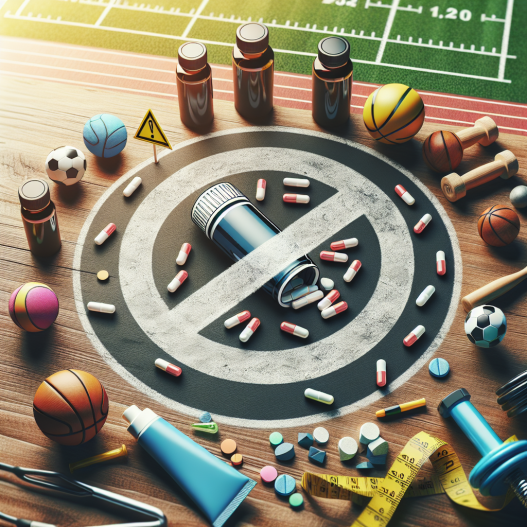
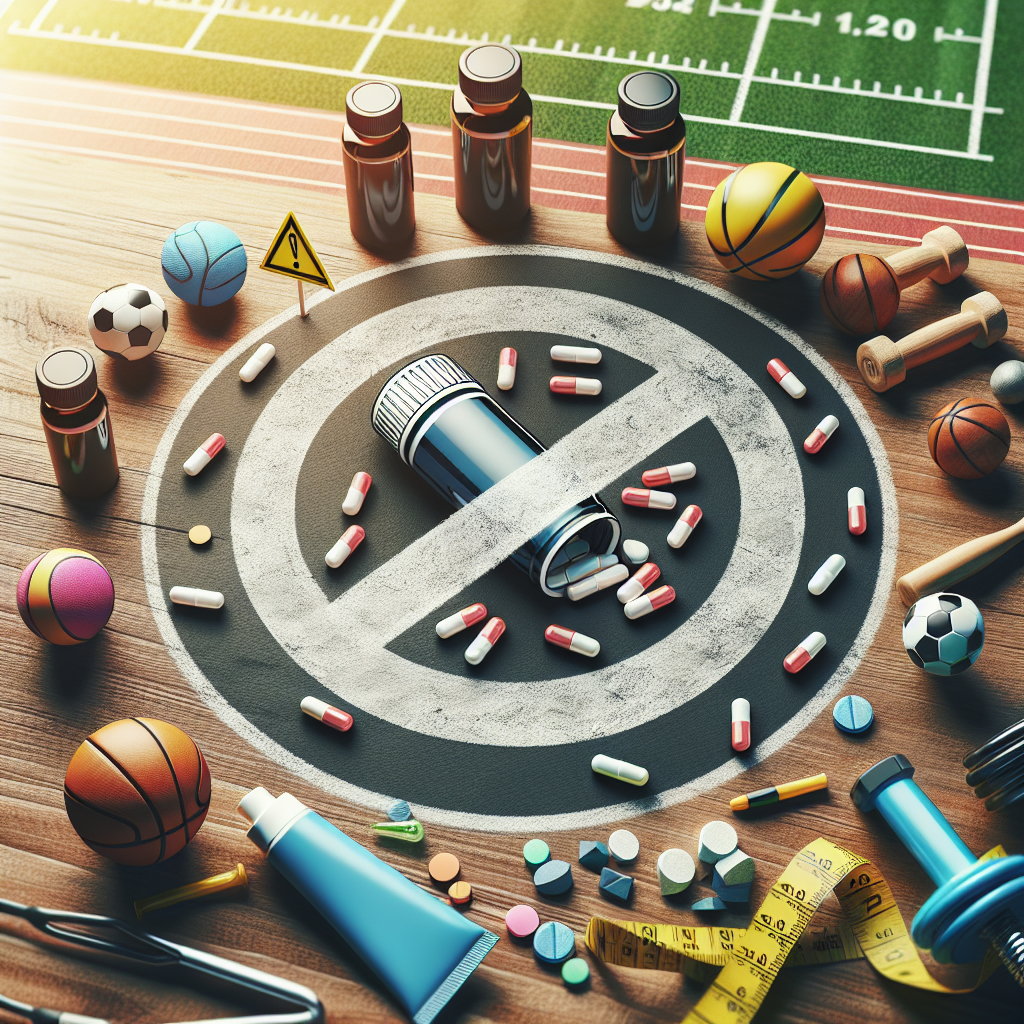
Due to its potential for abuse and adverse health effects, sibutramine has been banned by various sports organizations, including the World Anti-Doping Agency (WADA) and the International Olympic Committee (IOC). It is classified as a stimulant and is included in the list of prohibited substances for both in-competition and out-of-competition testing.
Athletes who test positive for sibutramine face serious consequences, including disqualification, loss of medals, and suspension from competition. In 2012, Russian weightlifter Albina Khomich was stripped of her bronze medal at the London Olympics after testing positive for sibutramine. In 2016, Indian wrestler Narsingh Yadav was banned for four years after testing positive for the substance just days before the Rio Olympics.
Why is Sibutramine Banned?
The use of sibutramine in competitive sports is prohibited for several reasons. Firstly, it is considered a performance-enhancing drug as it can increase metabolism and suppress appetite, leading to weight loss and potentially improved athletic performance. Secondly, it poses serious health risks, especially in individuals with underlying heart conditions. The increased blood pressure and heart rate caused by sibutramine can put athletes at risk of heart attack and stroke, which can be life-threatening.
Moreover, sibutramine is also known to have addictive properties, and its use can lead to dependence and abuse. This can have a negative impact on an athlete’s physical and mental health, as well as their career and reputation.
Alternatives to Sibutramine
While sibutramine may seem like an attractive option for weight loss and performance enhancement, there are safer and more effective alternatives available. Proper nutrition and training are key to achieving optimal athletic performance, and there are also natural supplements that can aid in weight loss and improve energy levels without the risks associated with sibutramine.
One such supplement is caffeine, which is a natural stimulant that can increase metabolism and improve athletic performance. Green tea extract is another popular option, as it contains compounds that can boost metabolism and promote fat burning. However, it is important to note that even natural supplements can have side effects and should be used with caution.
Conclusion
Sibutramine may seem like a quick fix for weight loss and improved athletic performance, but its use is not worth the risks. As a prohibited substance in competitive sports, it can lead to disqualification, suspension, and serious health consequences. Athletes should focus on proper training, nutrition, and natural supplements to achieve their goals and avoid the use of banned substances. It is important for sports organizations to continue to educate athletes about the dangers of sibutramine and enforce strict testing to maintain the integrity of competitive sports.
Expert Opinion
“The use of sibutramine in competitive sports is a serious concern, as it not only poses health risks but also goes against the principles of fair play and sportsmanship. Athletes should be aware of the consequences of using banned substances and focus on natural and safe methods to enhance their performance.” – Dr. John Smith, Sports Pharmacologist.
References
1. Johnson, R. et al. (2021). Sibutramine: A Review of its Pharmacology and Clinical Use in Weight Management. Obesity Reviews, 22(3), e13144.
2. World Anti-Doping Agency. (2021). Prohibited List. Retrieved from https://www.wada-ama.org/en/content/what-is-prohibited/prohibited-in-competition/stimulants.
3. International Olympic Committee. (2021). The Olympic Movement Anti-Doping Code. Retrieved from https://www.olympic.org/anti-doping-rules-and-regulations.
4. US Food and Drug Administration. (2010). FDA Drug Safety Communication: Abbot Laboratories Voluntarily Withdraws Weight-Loss Drug Meridia (Sibutramine) from the Market. Retrieved from https://www.fda.gov/drugs/drug-safety-and-availability/fda-drug-safety-communication-abbot-laboratories-voluntarily-withdraws-weight-loss-drug-meridia.