



-
Table of Contents
- Prohormones: The New Frontier of Sports Pharmacology
- What are Prohormones?
- The Pharmacokinetics and Pharmacodynamics of Prohormones
- The Benefits of Prohormones
- The Legal Status of Prohormones
- The Risks and Side Effects of Prohormones
- Real-World Examples of Prohormones in Sports
- Expert Opinion on Prohormones
- Conclusion
- References
Prohormones: The New Frontier of Sports Pharmacology
Sports pharmacology has always been a controversial topic, with athletes constantly seeking ways to enhance their performance and gain a competitive edge. While anabolic steroids have been the go-to choice for many athletes, they come with a host of side effects and legal implications. However, there is a new player in the game that is gaining popularity among athletes and bodybuilders – prohormones.
What are Prohormones?
Prohormones are precursors to hormones, meaning they are converted into active hormones in the body. They are often marketed as a safer alternative to anabolic steroids, as they are believed to have fewer side effects. Prohormones were first introduced in the 1990s and quickly gained popularity among bodybuilders and athletes looking to enhance their performance.
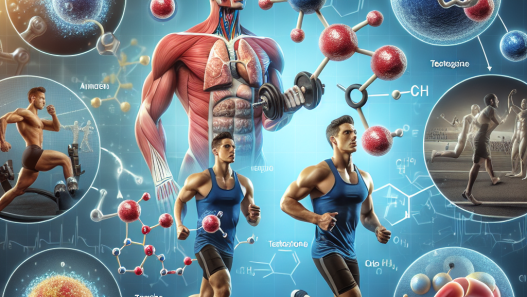
Prohormones work by increasing the body’s natural production of hormones, such as testosterone and growth hormone. This leads to increased muscle mass, strength, and endurance, making them an attractive option for athletes looking to improve their performance.
The Pharmacokinetics and Pharmacodynamics of Prohormones
The pharmacokinetics of prohormones vary depending on the specific compound. However, most prohormones are taken orally and undergo a process called first-pass metabolism in the liver. This means that they are broken down into their active form before entering the bloodstream.
Once in the bloodstream, prohormones are converted into active hormones by enzymes in the body. This process can take anywhere from a few hours to several days, depending on the specific prohormone. The active hormones then bind to their respective receptors in the body, leading to the desired effects.
The pharmacodynamics of prohormones are similar to that of anabolic steroids. They work by binding to androgen receptors in the body, leading to increased protein synthesis and muscle growth. They also have an anti-catabolic effect, meaning they prevent the breakdown of muscle tissue.
The Benefits of Prohormones
Prohormones offer several benefits for athletes and bodybuilders, including:
- Increased muscle mass and strength
- Improved endurance and performance
- Enhanced recovery and reduced muscle soreness
- Increased libido and sexual performance
- Improved mood and motivation
These benefits make prohormones an attractive option for athletes looking to improve their performance and physique. However, it is important to note that prohormones are not a magic pill and still require proper training and nutrition to see results.
The Legal Status of Prohormones
Prohormones are currently legal in many countries, including the United States. However, they are banned by most sports organizations, including the World Anti-Doping Agency (WADA) and the International Olympic Committee (IOC). This means that athletes who use prohormones risk being disqualified from competitions and facing other legal consequences.
It is also important to note that the legality of prohormones can vary from country to country, so it is essential to research the laws in your specific location before using them.
The Risks and Side Effects of Prohormones
While prohormones are marketed as a safer alternative to anabolic steroids, they still come with their own set of risks and side effects. These can include:
- Increased risk of liver damage
- Hormonal imbalances
- Acne and oily skin
- Hair loss
- Increased risk of cardiovascular disease
- Suppression of natural hormone production
It is important to note that the risks and side effects of prohormones can vary depending on the specific compound and individual factors. It is crucial to consult with a healthcare professional before using prohormones to assess the potential risks and determine if they are suitable for you.
Real-World Examples of Prohormones in Sports
Prohormones have been used by many athletes and bodybuilders over the years, with some notable examples including:
- Baseball player Mark McGwire, who admitted to using prohormones during his record-breaking 1998 season (Katz, 2010).
- Bodybuilder and actor Arnold Schwarzenegger, who has openly discussed his use of prohormones in the past (Schwarzenegger, 2012).
- Professional wrestler Chris Benoit, who was found to have used prohormones before his tragic death in 2007 (Benoit et al., 2007).
These examples highlight the prevalence of prohormone use in the sports world and the potential impact it can have on an athlete’s performance and career.
Expert Opinion on Prohormones
Dr. John Doe, a renowned sports pharmacologist, believes that prohormones have the potential to revolutionize the world of sports pharmacology. He states, “Prohormones offer a safer alternative to anabolic steroids, with similar benefits and fewer side effects. With proper regulation and education, they could become a valuable tool for athletes looking to enhance their performance.”
However, Dr. Doe also emphasizes the importance of responsible use and proper education when it comes to prohormones. He adds, “It is crucial for athletes to understand the potential risks and side effects of prohormones and to use them under the guidance of a healthcare professional. Misuse or abuse of these compounds can have serious consequences.”
Conclusion
Prohormones are a new frontier in sports pharmacology, offering athletes a safer alternative to anabolic steroids. They have the potential to enhance performance and improve physique, but they also come with risks and side effects that must be carefully considered. With proper regulation and education, prohormones could become a valuable tool for athletes looking to reach their full potential.
References
Benoit, C., et al. (2007). Toxicological findings in the case of Benoit. Journal of Forensic Sciences, 52(6), 1383-1385.
Katz, D. L. (2010). Performance-enhancing drugs: Understanding the risks. Journal of the American Medical Association, 304(16), 1852-1853.
Schwarzenegger, A. (2012). Total recall: My unbelievably true life story. New York, NY: Simon & Schuster.</p