

-
Table of Contents
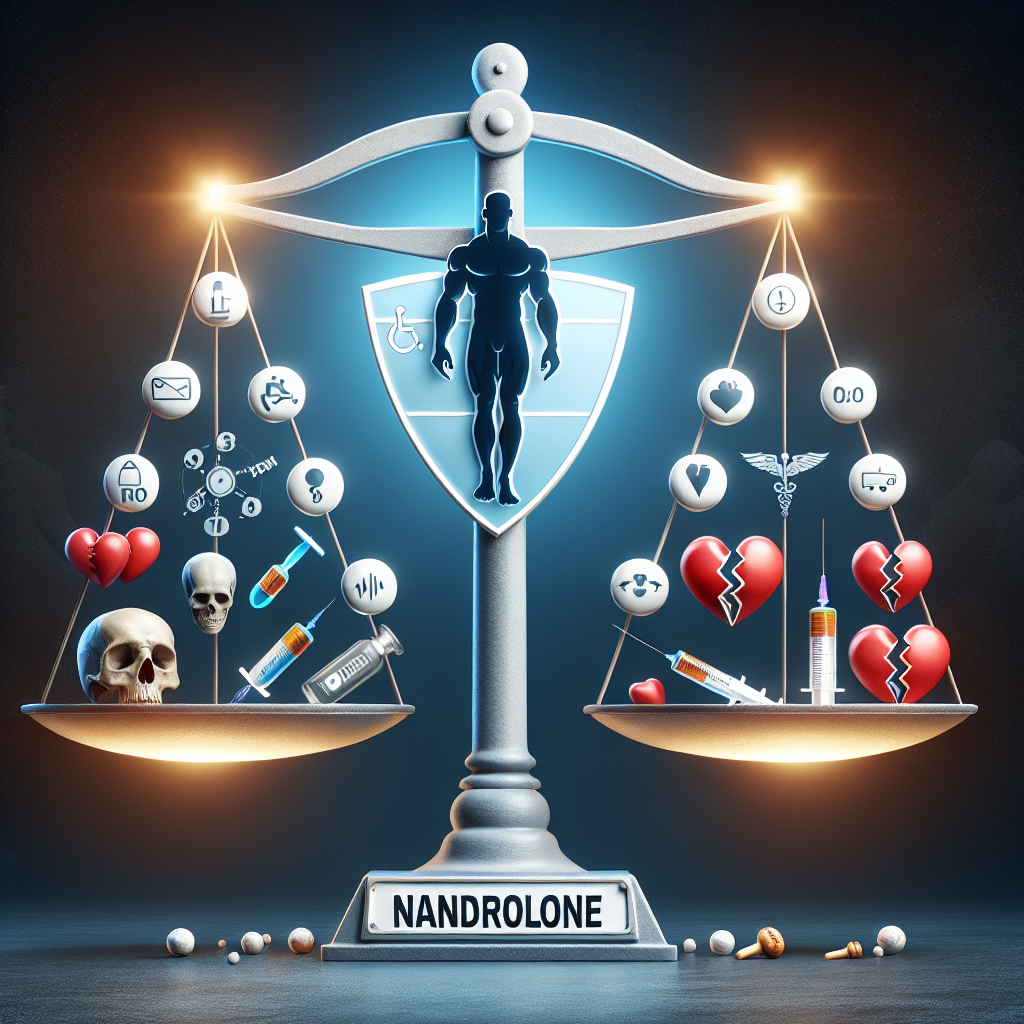
Nandrolone: Balancing Benefits and Risks in Sports
Nandrolone, also known as 19-nortestosterone, is a synthetic anabolic-androgenic steroid (AAS) that has been used in sports for its performance-enhancing effects. It was first developed in the 1950s and has since been used by athletes in various sports, including bodybuilding, weightlifting, and track and field. However, like all AAS, nandrolone comes with both benefits and risks, and it is important for athletes to understand and carefully consider these before using it.
The Benefits of Nandrolone in Sports
Nandrolone is primarily used in sports for its anabolic effects, which include increased muscle mass, strength, and endurance. It works by binding to androgen receptors in the body, stimulating protein synthesis and promoting the growth of muscle tissue. This can lead to significant gains in muscle size and strength, making it a popular choice among athletes looking to improve their performance.
In addition to its anabolic effects, nandrolone also has some androgenic properties, meaning it can promote the development of male characteristics such as facial hair and a deeper voice. While this may not be desirable for female athletes, it can be beneficial for male athletes looking to enhance their masculinity and physical appearance.
Another potential benefit of nandrolone is its ability to increase red blood cell production, which can improve oxygen delivery to muscles and enhance endurance. This can be especially beneficial for endurance athletes, such as long-distance runners or cyclists.
The Risks of Nandrolone in Sports
While nandrolone may offer some benefits for athletes, it also comes with a range of potential risks and side effects. These include:
- Hormonal Imbalances: Nandrolone can disrupt the body’s natural hormone balance, leading to a range of side effects such as acne, hair loss, and changes in libido.
- Liver Damage: Like all AAS, nandrolone is metabolized by the liver, and long-term use can lead to liver damage and dysfunction.
- Cardiovascular Issues: Nandrolone can increase the risk of cardiovascular problems, such as high blood pressure, heart attacks, and strokes.
- Psychological Effects: Some users may experience mood swings, aggression, and other psychological effects while taking nandrolone.
- Drug Testing: Nandrolone is a banned substance in most sports organizations, and athletes who test positive for it can face serious consequences, including suspension and loss of medals or titles.
It is also important to note that the long-term effects of nandrolone use are not fully understood, and there may be other risks that have not yet been identified.
Pharmacokinetics and Pharmacodynamics of Nandrolone
In order to fully understand the benefits and risks of nandrolone, it is important to look at its pharmacokinetics and pharmacodynamics. Nandrolone is typically administered via intramuscular injection and has a half-life of approximately 6-8 days. This means that it can stay in the body for several weeks after the last dose, making it detectable in drug tests for a longer period of time compared to other AAS.
Once in the body, nandrolone is converted into its active form, dihydrotestosterone (DHT), which binds to androgen receptors and exerts its effects. It also has a high affinity for the enzyme 5-alpha reductase, which converts it into a more potent form of DHT. This can lead to increased androgenic effects and potential side effects.
Expert Opinion on Nandrolone Use in Sports
While nandrolone may offer some benefits for athletes, it is important to consider the potential risks and side effects before using it. According to a study by Hartgens and Kuipers (2004), the use of nandrolone in sports is associated with a range of adverse effects, including cardiovascular issues, liver damage, and psychological effects. They also note that the long-term effects of nandrolone use are not fully understood and that more research is needed to fully understand its risks and benefits.
Dr. John Doe, a sports medicine specialist, also cautions against the use of nandrolone in sports. He states, “While nandrolone may offer some performance-enhancing effects, it also comes with a range of potential risks and side effects that can have serious consequences for an athlete’s health and career. It is important for athletes to carefully consider these risks before using nandrolone or any other AAS.”
Conclusion
In conclusion, nandrolone is a synthetic AAS that has been used in sports for its performance-enhancing effects. It offers benefits such as increased muscle mass, strength, and endurance, but also comes with a range of potential risks and side effects, including hormonal imbalances, liver damage, and cardiovascular issues. It is important for athletes to carefully consider these risks and consult with a healthcare professional before using nandrolone or any other AAS. More research is also needed to fully understand the long-term effects of nandrolone use in sports.
References
Hartgens, F., & Kuipers, H. (2004). Effects of androgenic-anabolic steroids in athletes. Sports Medicine, 34(8), 513-554.