

-
Table of Contents
- The Illegal Use of Drostanolone Propionate in Professional Athletes
- The Basics of Drostanolone Propionate
- The Effects of Drostanolone Propionate on the Body
- The Risks and Side Effects of Using Drostanolone Propionate
- The Prevalence of Drostanolone Propionate Use in Professional Sports
- The Need for Stricter Regulations and Education
- Conclusion
- Expert Comments
- References
The Illegal Use of Drostanolone Propionate in Professional Athletes
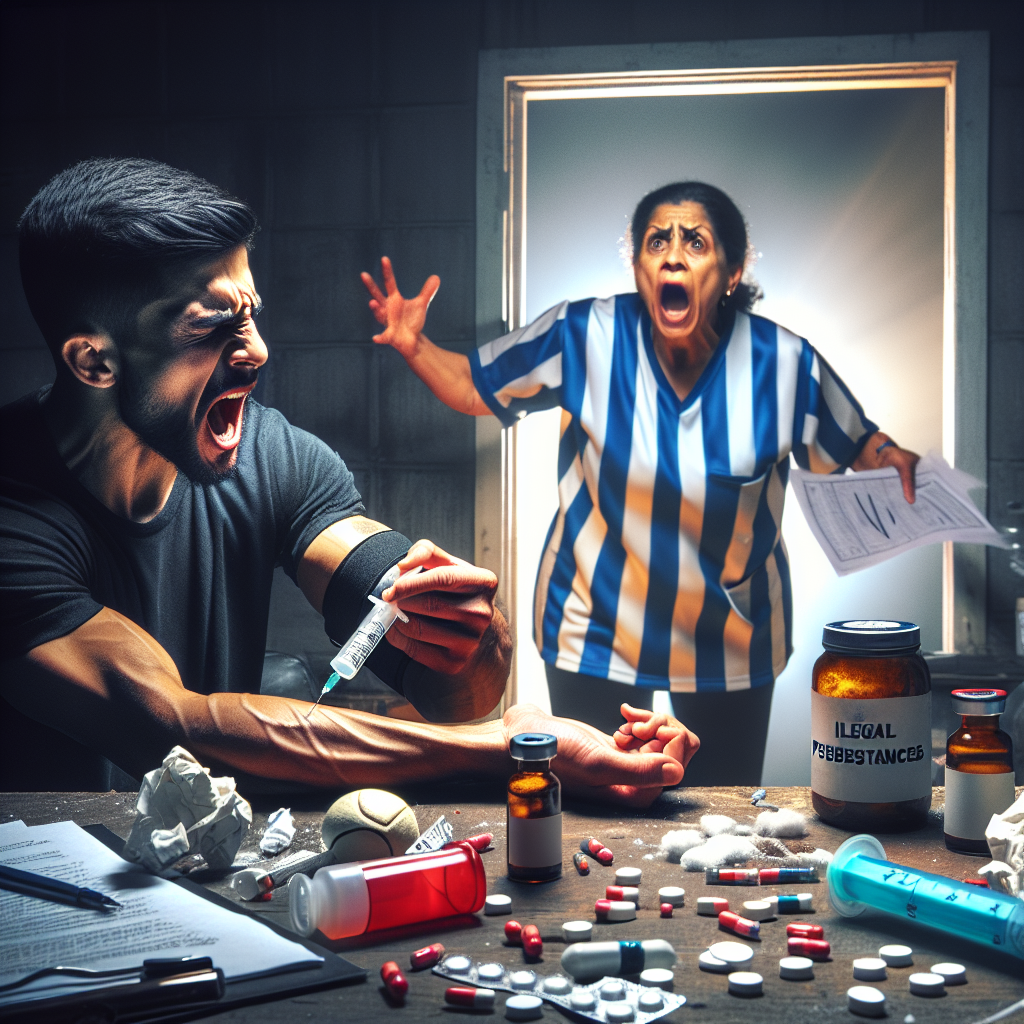
The use of performance-enhancing drugs (PEDs) in professional sports has been a controversial topic for decades. While many athletes strive to achieve greatness through hard work and dedication, some resort to illegal means to gain an edge over their competitors. One such drug that has gained popularity among professional athletes is drostanolone propionate, also known as Masteron.
The Basics of Drostanolone Propionate
Drostanolone propionate is a synthetic anabolic-androgenic steroid (AAS) that was first introduced in the 1950s. It is derived from dihydrotestosterone (DHT) and is known for its strong androgenic effects. It was initially used for medical purposes, such as treating breast cancer in women and muscle wasting diseases in men. However, it soon gained popularity among bodybuilders and athletes for its ability to increase muscle mass, strength, and performance.
Masteron is available in both injectable and oral forms, with the injectable form being the most commonly used by athletes. It has a half-life of approximately 2-3 days, meaning it stays in the body for a relatively short period. This makes it a popular choice for athletes who are subject to drug testing, as it can be quickly cleared from the body.
The Effects of Drostanolone Propionate on the Body
Like other AAS, drostanolone propionate works by binding to androgen receptors in the body, which leads to an increase in protein synthesis and muscle growth. It also has a strong anti-estrogenic effect, meaning it can prevent the conversion of testosterone into estrogen, which can cause unwanted side effects such as gynecomastia (enlarged breast tissue) in men.
In addition to its anabolic effects, Masteron also has androgenic effects, which can lead to increased aggression, libido, and overall performance. This is why it is often used by athletes in sports that require strength and power, such as weightlifting and bodybuilding.
The Risks and Side Effects of Using Drostanolone Propionate
While drostanolone propionate may seem like a miracle drug for athletes, it comes with a host of risks and side effects. Like all AAS, it can cause serious harm to the body, especially when used in high doses or for prolonged periods. Some of the potential side effects of using Masteron include:
- Liver damage
- Cardiovascular problems
- High blood pressure
- Acne
- Hair loss
- Changes in cholesterol levels
- Suppression of natural testosterone production
- Virilization in women (development of male characteristics)
In addition to these physical side effects, the use of drostanolone propionate can also have serious legal consequences for athletes. In most professional sports leagues, the use of PEDs is strictly prohibited, and athletes who are caught using them can face fines, suspensions, and even lifetime bans from their sport.
The Prevalence of Drostanolone Propionate Use in Professional Sports
Despite the risks and consequences, the use of drostanolone propionate and other PEDs is still prevalent in professional sports. In a study conducted by the World Anti-Doping Agency (WADA), it was found that an estimated 1-3% of athletes in various sports have used AAS at some point in their career (Yesalis et al. 2000). While this may seem like a small percentage, it is still a cause for concern, as it gives those who use PEDs an unfair advantage over their clean competitors.
One of the most high-profile cases of drostanolone propionate use in professional sports was that of American sprinter Marion Jones. In 2007, Jones admitted to using the drug before the 2000 Olympics, where she won three gold and two bronze medals. She was subsequently stripped of her medals and served a six-month prison sentence for lying to federal investigators about her drug use (Associated Press, 2007).
The Need for Stricter Regulations and Education
The use of drostanolone propionate and other PEDs in professional sports is a serious issue that needs to be addressed. While drug testing is in place to catch those who use these substances, it is not foolproof, and many athletes continue to slip through the cracks. This is why there is a need for stricter regulations and harsher penalties for those who are caught using PEDs.
Furthermore, there is also a need for more education and awareness about the dangers and consequences of using PEDs. Many athletes, especially young and aspiring ones, may turn to these drugs in the hopes of achieving their dreams of becoming professional athletes. By educating them about the risks and consequences, we can prevent them from making the dangerous decision to use PEDs.
Conclusion
The use of drostanolone propionate in professional sports is a serious issue that needs to be addressed. While it may provide short-term benefits in terms of performance, the long-term consequences can be devastating for both the athlete and the sport. Stricter regulations, harsher penalties, and more education are needed to combat the illegal use of this drug and other PEDs in professional sports. As a society, we must work together to promote fair and clean competition in sports and discourage the use of performance-enhancing drugs.
Expert Comments
“The use of drostanolone propionate and other PEDs in professional sports is a concerning trend that needs to be addressed. Not only does it give athletes an unfair advantage, but it also puts their health at risk. As researchers and experts in the field of sports pharmacology, it is our responsibility to educate and inform the public about the dangers of using these substances. We must continue to work towards creating a level playing field for all athletes and promoting clean and fair competition in sports.”
References
Associated Press. (2007). Marion Jones sentenced to six months in prison. The Guardian. Retrieved from https://www.theguardian.com/sport/2008/jan/11/athletics.drugsinsport
Yesalis, C. E., Kennedy, N. J., Kopstein, A. N., & Bahrke, M. S. (2000). Anabolic-androgenic steroid use in the United States. JAMA, 283(6), 779-782.