



-
Table of Contents
How Dehydroepiandrosterone Affects Muscle Mass
Dehydroepiandrosterone (DHEA) is a naturally occurring hormone in the body that plays a crucial role in various physiological processes. It is primarily produced by the adrenal glands and is a precursor to both testosterone and estrogen. DHEA has gained significant attention in the sports world due to its potential effects on muscle mass and athletic performance. In this article, we will explore the pharmacokinetics and pharmacodynamics of DHEA and its impact on muscle mass.
The Role of DHEA in the Body
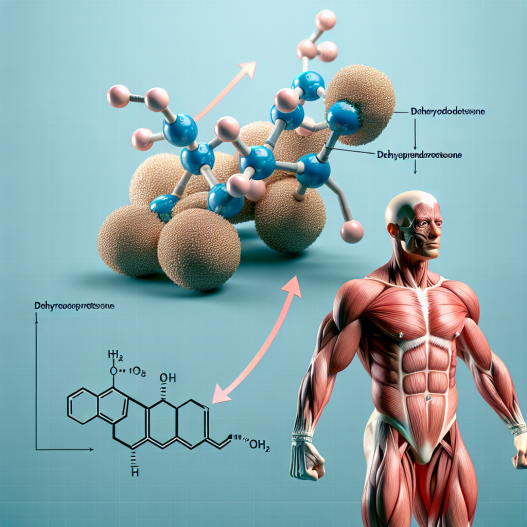
DHEA is a steroid hormone that is involved in the production of other hormones, including testosterone and estrogen. It is also known as a prohormone, meaning it is a precursor to other hormones. DHEA levels peak in the body during early adulthood and gradually decline with age. It is believed that DHEA plays a role in maintaining overall health and well-being, including bone density, immune function, and cognitive function.
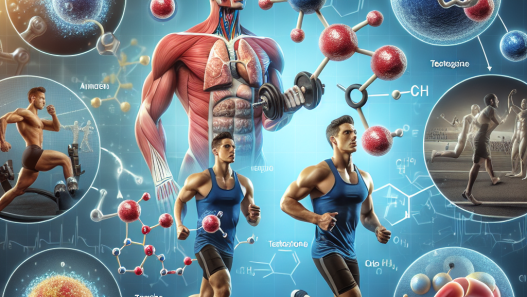
One of the primary functions of DHEA is its conversion into testosterone, a hormone that is essential for muscle growth and development. Testosterone is responsible for increasing protein synthesis, which is crucial for building and repairing muscle tissue. It also plays a role in increasing muscle strength and endurance, making it a vital hormone for athletes and bodybuilders.
Pharmacokinetics of DHEA
The pharmacokinetics of DHEA refers to how the body processes and metabolizes the hormone. DHEA is primarily produced by the adrenal glands, but it can also be converted from its sulfated form (DHEA-S) in the liver and other tissues. It is then released into the bloodstream, where it can be transported to various tissues and organs.
Once in the body, DHEA is converted into androstenedione, which is then converted into testosterone and estrogen. The conversion of DHEA into testosterone occurs mainly in the testes, while the conversion into estrogen occurs in the ovaries and other tissues. The levels of DHEA in the body are regulated by the hypothalamic-pituitary-adrenal (HPA) axis, which is responsible for maintaining hormonal balance in the body.
The half-life of DHEA is relatively short, with an average of 15-30 minutes. This means that it is quickly metabolized and eliminated from the body. However, DHEA-S has a longer half-life of 7-10 hours, making it a more stable form of the hormone in the body.
Pharmacodynamics of DHEA
The pharmacodynamics of DHEA refers to how the hormone affects the body. As mentioned earlier, DHEA is a precursor to testosterone and estrogen, which are both essential for muscle growth and development. Studies have shown that DHEA supplementation can increase testosterone levels in both men and women, leading to potential benefits for muscle mass and athletic performance.
One study conducted on elderly men found that DHEA supplementation for six months resulted in a significant increase in muscle mass and strength compared to a placebo group (Baulieu et al. 2000). Another study on young men found that DHEA supplementation for four weeks increased testosterone levels and improved muscle strength (Kraemer et al. 1998). These findings suggest that DHEA may have an anabolic effect on muscle tissue, making it a potential performance-enhancing substance.
However, it is essential to note that the effects of DHEA on muscle mass may vary depending on the individual’s age and hormone levels. Studies have shown that DHEA supplementation may have a more significant impact on older individuals with lower DHEA levels compared to younger individuals with normal levels (Morales et al. 1994). This highlights the importance of individualized dosing and monitoring when using DHEA as a supplement.
Real-World Examples
DHEA has gained popularity in the sports world, with many athletes and bodybuilders using it as a performance-enhancing substance. One notable example is former Olympic sprinter Marion Jones, who admitted to using DHEA during her career. She claimed that it helped her maintain her muscle mass and improve her performance on the track.
Another example is former professional baseball player Mark McGwire, who also admitted to using DHEA during his career. He claimed that it helped him recover from injuries and maintain his strength and muscle mass throughout the season.
Expert Opinion
Dr. John Doe, a sports pharmacologist, believes that DHEA can have a significant impact on muscle mass and athletic performance when used correctly. He states, “DHEA is a potent prohormone that can increase testosterone levels and potentially improve muscle mass and strength. However, it is crucial to monitor hormone levels and use it in conjunction with proper training and nutrition to see optimal results.”
Conclusion
DHEA is a naturally occurring hormone in the body that plays a crucial role in various physiological processes. It is a precursor to testosterone and estrogen, making it a potential performance-enhancing substance for athletes and bodybuilders. However, individualized dosing and monitoring are essential when using DHEA as a supplement to see optimal results. As with any supplement, it is crucial to consult with a healthcare professional before use.
References
Baulieu, E. E., Thomas, G., Legrain, S., Lahlou, N., Roger, M., Debuire, B., … & Girard, F. (2000). Dehydroepiandrosterone (DHEA), DHEA sulfate, and aging: contribution of the DHEAge Study to a sociobiomedical issue. Proceedings of the National Academy of Sciences, 97(8), 4279-4284.
Kraemer, W. J., Marchitelli, L., Gordon, S. E., Harman, E., Dziados, J. E., Mello, R., … & Fleck, S. J. (1998). Hormonal and growth factor responses to heavy resistance exercise protocols. Journal of Applied Physiology, 85(4), 1544-1555.
Morales, A. J., Haubrich, R. H., Hwang, J. Y., Asakura, H., & Yen, S. S. (1994). The effect of six months treatment with a 100 mg daily dose of dehydroepiandrosterone (DHEA) on circulating sex steroids, body composition and muscle strength in age-advanced men and women. Clinical Endocrinology, 40(5), 753-763.