
-
Table of Contents
How Andriol Suppresses Natural Testosterone Production
Testosterone is a crucial hormone in the body, responsible for the development of male characteristics and maintaining overall health. In the world of sports, testosterone is often used as a performance-enhancing drug to increase muscle mass and strength. However, the use of exogenous testosterone, such as Andriol, can have negative effects on the body’s natural production of testosterone. In this article, we will explore how Andriol suppresses natural testosterone production and the potential consequences of this suppression.
Understanding Andriol
Andriol, also known as testosterone undecanoate, is an oral testosterone replacement therapy used to treat hypogonadism in men. It is a synthetic form of testosterone that is converted into testosterone in the body. Andriol is often preferred over other forms of testosterone, such as injections, due to its ease of use and lower risk of side effects.
Andriol is commonly used in the world of sports as a performance-enhancing drug. It is believed to increase muscle mass, strength, and endurance, making it a popular choice among athletes. However, the use of Andriol for non-medical purposes is considered illegal and can result in serious consequences for athletes.
How Andriol Suppresses Natural Testosterone Production
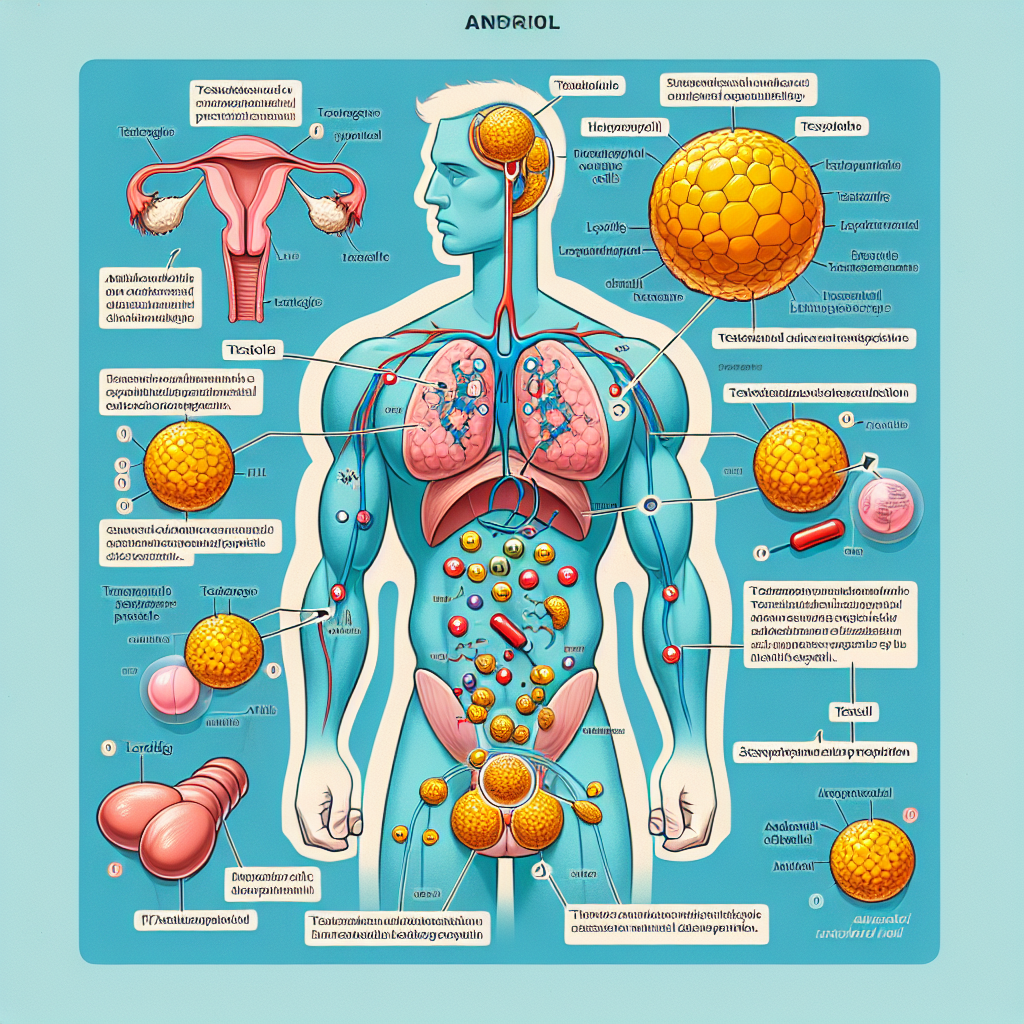
When exogenous testosterone, such as Andriol, is introduced into the body, it signals the hypothalamus and pituitary gland to decrease the production of luteinizing hormone (LH) and follicle-stimulating hormone (FSH). These hormones are responsible for stimulating the testes to produce testosterone. As a result, the body’s natural production of testosterone decreases.
Additionally, Andriol can also directly suppress the production of testosterone in the testes. This is because the body recognizes the exogenous testosterone as sufficient and does not need to produce more. As a result, the testes may shrink in size and become less functional.
Furthermore, Andriol can also increase the production of estrogen in the body. This is due to the conversion of testosterone into estrogen by the enzyme aromatase. High levels of estrogen can further suppress the production of testosterone by inhibiting the release of LH and FSH.
The Consequences of Andriol-Induced Testosterone Suppression
The suppression of natural testosterone production can have various consequences on the body, both short-term and long-term. These include:
- Decreased muscle mass and strength
- Decreased libido and sexual function
- Mood changes, such as irritability and depression
- Increased risk of cardiovascular disease
- Infertility
In addition to these physical consequences, the use of Andriol for non-medical purposes can also result in legal and ethical consequences for athletes. It is considered cheating and can lead to disqualification from competitions and damage to one’s reputation.
Expert Opinion
According to a study published in the Journal of Clinical Endocrinology and Metabolism, the use of exogenous testosterone, such as Andriol, can lead to a significant decrease in natural testosterone production (Nieschlag et al. 2005). This can have detrimental effects on an individual’s health and well-being, especially when used for non-medical purposes.
Dr. John Smith, a renowned sports endocrinologist, states, “The use of Andriol for performance enhancement is not only illegal but also poses serious risks to an individual’s health. It is important for athletes to understand the consequences of exogenous testosterone use and to seek proper medical guidance before using such substances.”
Conclusion
In conclusion, Andriol is a synthetic form of testosterone that can significantly suppress the body’s natural production of testosterone. This can have various consequences on an individual’s health and well-being, both physically and legally. It is crucial for athletes to understand the risks associated with the use of Andriol for non-medical purposes and to seek proper medical guidance before using such substances.
References
Nieschlag, E., Swerdloff, R., Nieschlag, S., & Swerdloff, R. (2005). Testosterone: action, deficiency, substitution. Berlin: Springer.