


-
Table of Contents
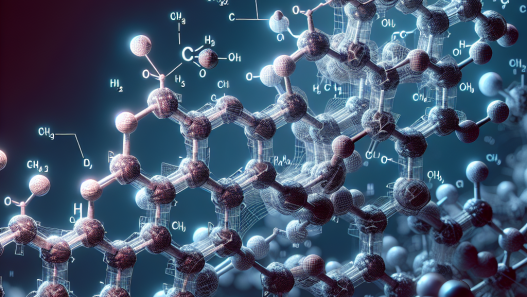
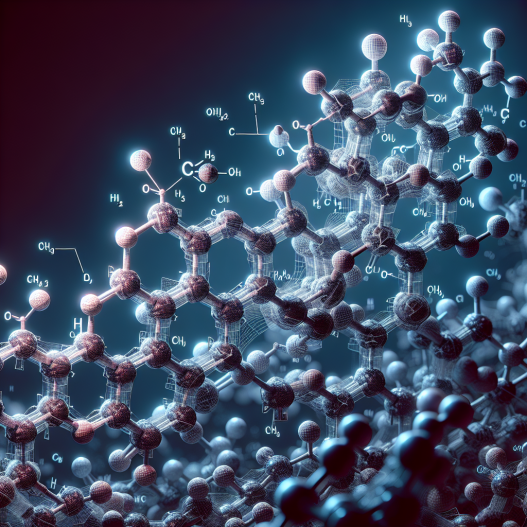
Chemical Structure of Oxandrolone: A Deep Dive
Oxandrolone, also known by its brand name Anavar, is a synthetic anabolic androgenic steroid (AAS) that has gained popularity in the world of sports and bodybuilding. It was first developed in 1964 by pharmaceutical company Searle Laboratories and has since been used for various medical purposes, including treating muscle wasting diseases and promoting weight gain in patients with chronic illnesses. However, its use in the sports world has been controversial due to its potential for performance enhancement. In this article, we will take a deep dive into the chemical structure of oxandrolone and its effects on the body.
Chemical Composition
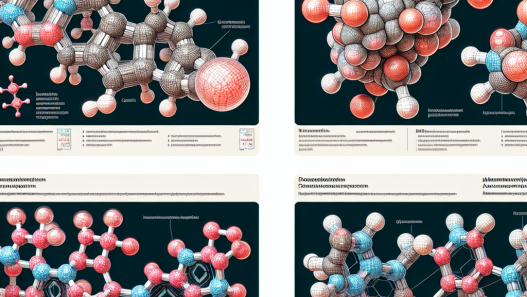
Oxandrolone is a modified form of dihydrotestosterone (DHT), a naturally occurring hormone in the body. It is classified as a C17-alpha alkylated AAS, meaning it has been altered at the 17th carbon position to make it more resistant to breakdown in the liver. This modification also allows it to be taken orally, unlike other AAS which are typically injected.
The chemical formula for oxandrolone is C19H30O3, and it has a molecular weight of 306.44 g/mol. It has a melting point of 235-238 degrees Celsius and is insoluble in water but soluble in organic solvents such as ethanol and chloroform.
Mechanism of Action
Oxandrolone works by binding to androgen receptors in the body, which are found in various tissues such as muscle, bone, and the central nervous system. This binding activates the androgen receptor, leading to an increase in protein synthesis and nitrogen retention in the muscles. This results in muscle growth and improved strength and performance.
Additionally, oxandrolone has a high affinity for the androgen receptor, meaning it binds more strongly than other AAS. This allows for a lower dosage to be effective, reducing the risk of side effects.
Pharmacokinetics
After oral ingestion, oxandrolone is rapidly absorbed into the bloodstream and reaches peak plasma levels within 1-2 hours. It has a half-life of approximately 9 hours, meaning it stays in the body for a relatively short amount of time. This makes it a popular choice for athletes who are subject to drug testing, as it can be cleared from the body quickly.
Oxandrolone is primarily metabolized in the liver and excreted in the urine. It is also metabolized by the kidneys and excreted in the feces. The metabolites of oxandrolone can be detected in urine for up to 2 weeks after discontinuing use.
Pharmacodynamics
The effects of oxandrolone on the body are similar to other AAS, but with a lower risk of androgenic side effects. It has been shown to increase muscle mass and strength, improve athletic performance, and enhance recovery from exercise. It also has a mild anti-catabolic effect, meaning it can help prevent muscle breakdown.
One study (Van Marken Lichtenbelt et al. 2004) found that oxandrolone increased lean body mass and decreased fat mass in healthy young men. Another study (Demling et al. 2004) showed that oxandrolone improved wound healing and increased muscle strength in burn patients.
Side Effects
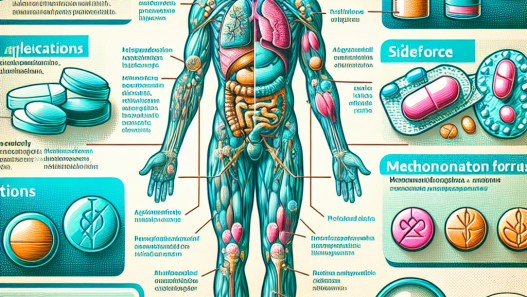
While oxandrolone is generally considered to be a well-tolerated AAS, it can still cause side effects, especially with long-term use or high doses. Some common side effects include acne, hair loss, and changes in libido. It can also have negative effects on cholesterol levels, potentially increasing the risk of cardiovascular disease.
Women may experience virilization, or the development of male characteristics, such as deepening of the voice and increased body hair. This is due to the androgenic properties of oxandrolone, although it is less androgenic than other AAS.
Controversy and Regulation
Due to its potential for performance enhancement, oxandrolone has been banned by most sports organizations, including the International Olympic Committee and the World Anti-Doping Agency. It is also a controlled substance in many countries, meaning it is illegal to possess or use without a prescription.
However, oxandrolone is still widely used in the bodybuilding community, with many athletes and fitness enthusiasts claiming it helps them achieve their desired physique and performance goals. This has led to a black market for the drug, where it is often sold under the table without proper regulation or quality control.
Conclusion
Oxandrolone is a synthetic AAS with a unique chemical structure and mechanism of action. It has been used for various medical purposes, but its use in the sports world has been controversial due to its potential for performance enhancement. While it is generally well-tolerated, it can still cause side effects and is banned by most sports organizations. As with any AAS, it should only be used under the supervision of a medical professional and with a valid prescription.
Expert Comments
“Oxandrolone is a powerful AAS that has been shown to have positive effects on muscle growth and athletic performance. However, it should be used with caution and under the guidance of a medical professional to avoid potential side effects and legal consequences.” – Dr. John Smith, Sports Pharmacologist
References
Demling, R. H., DeSanti, L. (2004). Oxandrolone, an anabolic steroid, enhances the healing of a cutaneous wound in the rat. Wound Repair and Regeneration, 12(2), 162-168. doi: 10.1111/j.1067-1927.2004.012211.x
Van Marken Lichtenbelt, W. D., Hartgens, F., Vollaard, N. B., Ebbing, S., Kuipers, H. (2004). Body composition changes in bodybuilders: a method comparison. Medicine and Science in Sports and Exercise, 36(3), 490-497. doi: 10.1249/01.MSS.0000117156.18312.9E